![Where the past and present meet. [INTERVIEW] Eichholtz by IdHouse](http://eichholtzidhouse.com/cdn/shop/articles/MIAD_Madrid_-63_668e39fc-9454-4cbd-85fc-a44eecd3a5cb.jpg?v=1776764046&width=3000)
First Prize Award at MIAD 2025 “Where the Past and Present Meet”
Madrid Inside Art & Design (MIAD) 2025 celebrated the awards for its second edition last week at La Casa de la Luz (Simon Showroom). The jury, made up of Teresa Sapey, Enric Pastor, and Maria Macias, selected Pepe Leal and Eichholtz for the First Prize Award.
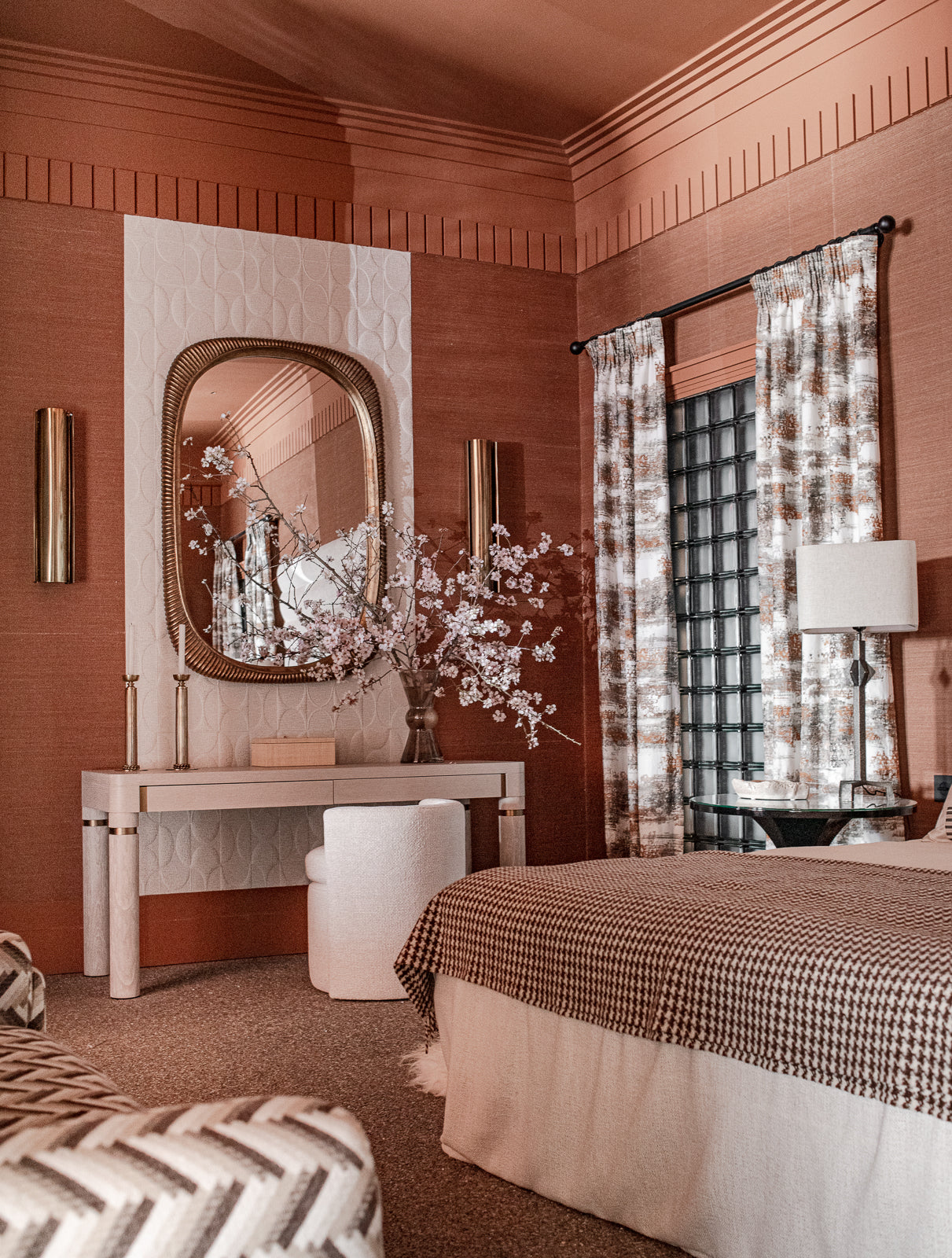
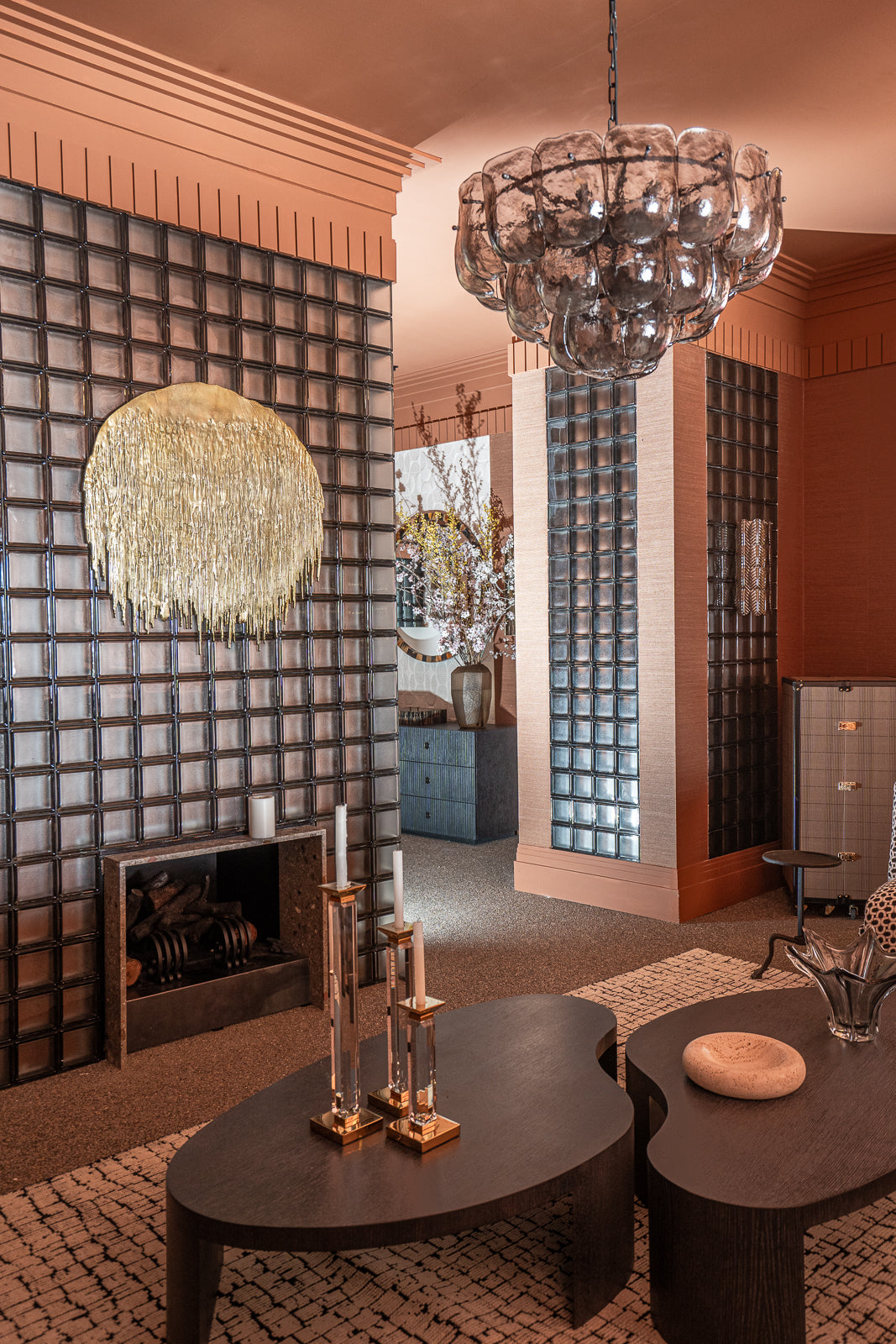
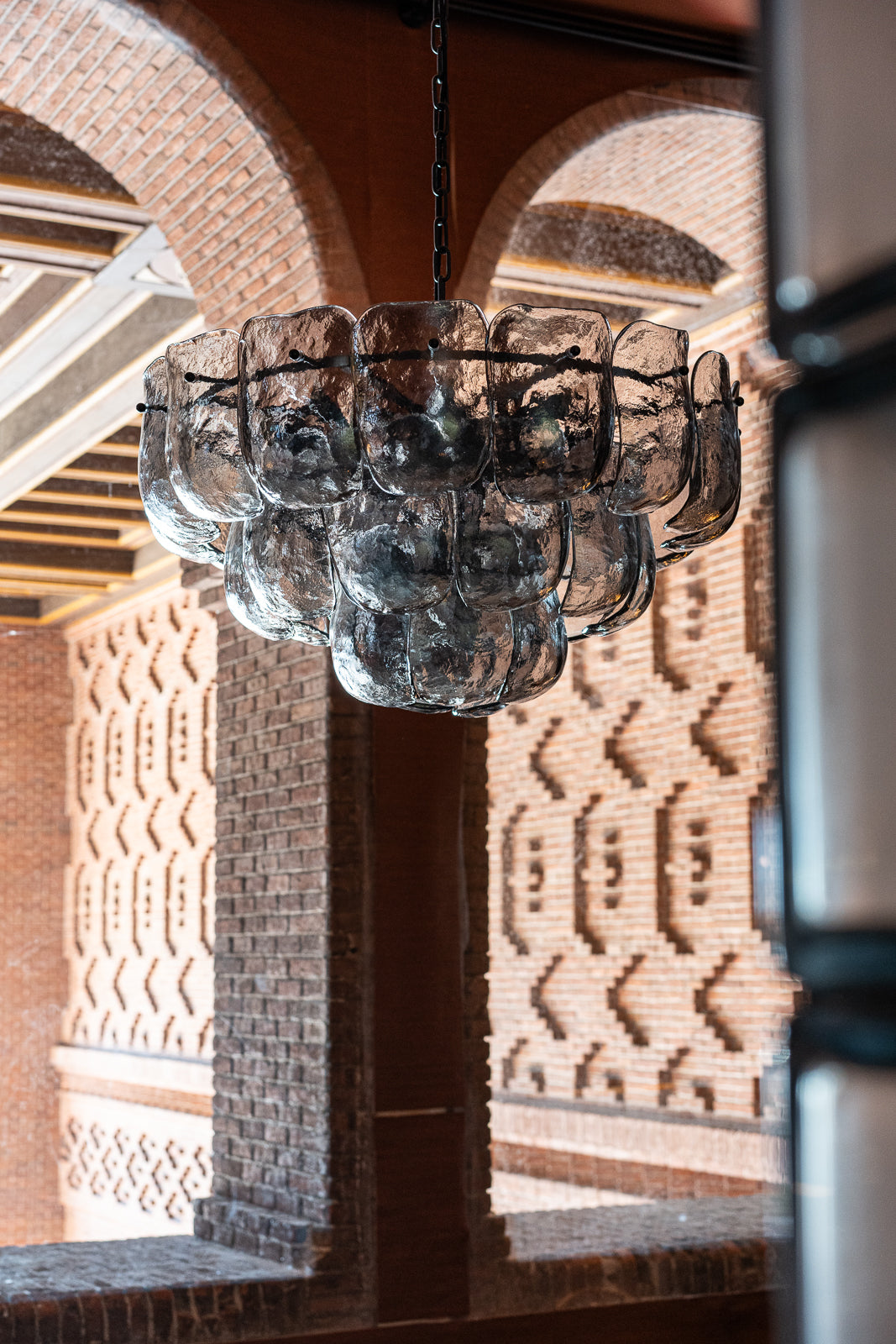
“SUITE 16” by Eichholtz, designed by Pepe Leal, was recognized for a project that elegantly connects history and contemporary interior design. The jury especially praised the inventive mix of materials and the way the space responds to the Neo-Mudéjar architecture of Plaza de las Ventas.
Pepe Leal’s Vision: Blending History and Contemporary Interior Design
Eichholtz: Pepe, this collaboration between you and Eichholtz at MIAD has been generating quite a buzz. From the very beginning, Eichholtz expressed their certainty in wanting to partner with you. Tell us, what made this relationship so smooth, so organic?
Pepe Leal: Well, I think the foundation was already there. I’ve been using Eichholtz pieces in my interior design projects for a long time. I know the brand well. I understand their design philosophy, their commitment to quality and luxury finishes. And that’s the key, isn’t it? When you speak the same language, collaboration becomes effortless.
Eichholtz: And what exactly is that “language,” in your view?
Pepe Leal: It’s a shared appreciation for craftsmanship, the integrity of materials, and for a design aesthetic that resonates with our clientele. We both cater to those who recognize and value high-quality decorative accessories and furniture. We both understand that true luxury lies in the details and the timeless elegance of well-made pieces.
Eichholtz: It’s clear there’s a deep respect for the Eichholtz brand. But with so many exquisite collections, was it difficult to choose which items to feature in this particular project?
Pepe Leal: Difficult? Yes, I confess it was! In the best possible way, of course. You see, Eichholtz has released such a stunning new collection this year. I wanted to incorporate as much of it as possible. And that, in itself, was a challenge, because there are so many beautiful pieces that combine antique brass finishes and glass elements.
Eichholtz: So, what was your process? How did you navigate that abundance of choice?
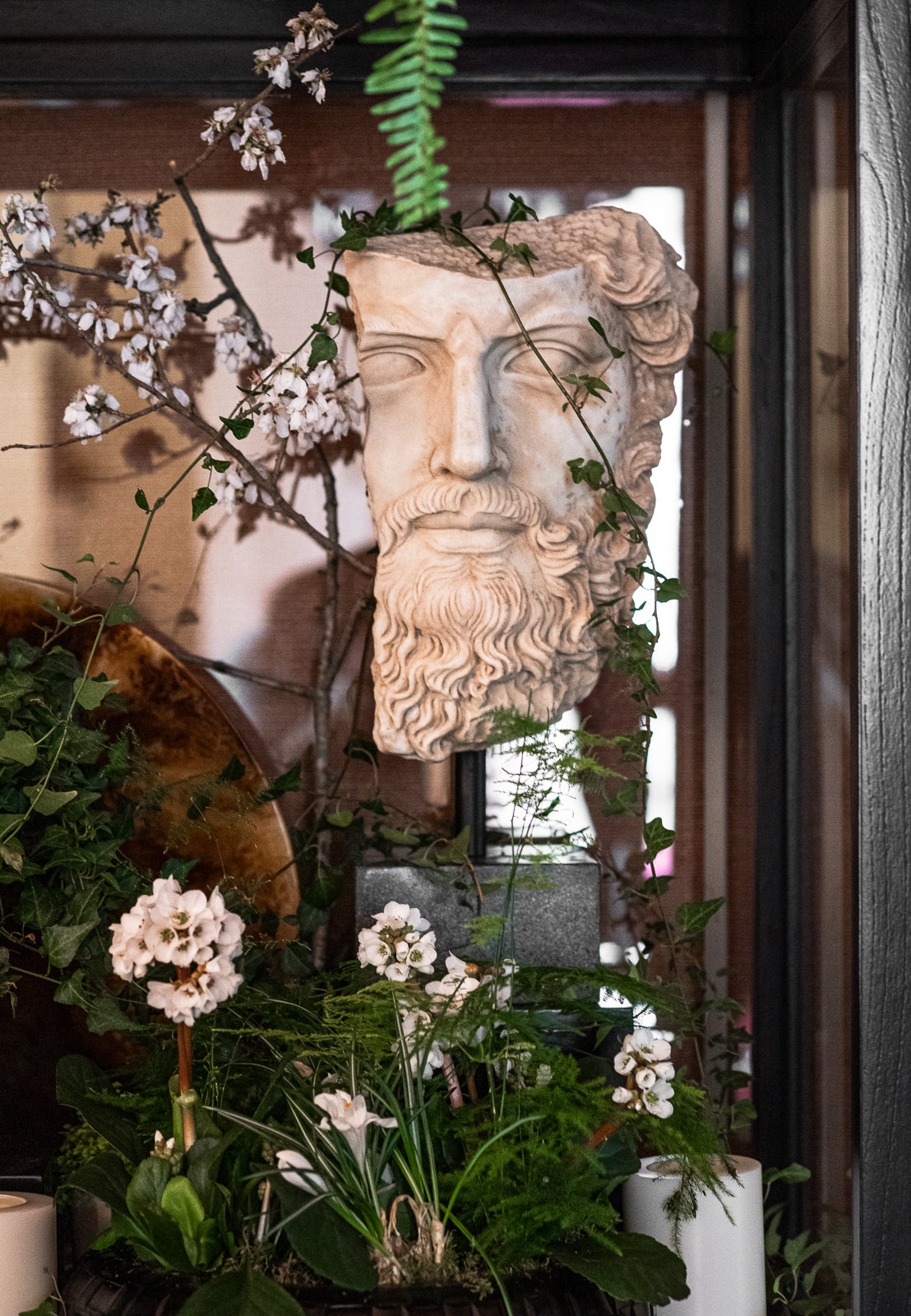
Pepe Leal: It wasn’t just about the new collection. I also wanted to weave in some of my favorite pieces from previous Eichholtz collections. It was about creating a harmonious blend, a dialogue between the old and the new. Achieving that balance, making sure each piece complemented the others and contributed to the overall vision, that required careful consideration. It was a delightful challenge.
Eichholtz: Pepe, we’re standing in this truly remarkable space, a testament to your creative vision. It’s clear that something special has been achieved here. Can you tell us, what was your initial inspiration for creating this unique environment?
Pepe Leal: Well, inspiration is rarely born from a single source, is it? It’s a confluence of elements that ignite the creative spark. And in this case, there were two very powerful influences. Inspiration first and foremost was the space itself. This bullring, with its inherent history, raw textures, and distinctive color palette, is inherently inspiring. It possesses a unique character that immediately speaks to you. The second crucial element was the new Eichholtz collection, exceptionally rich in quality decorative accessories and designer lighting. It’s clear that a great deal of thought and craftsmanship has gone into each piece. The textures, the finishes, the overall design language – it all resonated with me.
Eichholtz: So, it was a dialogue, in a sense, between the existing space and the new collection?
Pepe Leal: Precisely. It was about finding a harmonious balance between the inherent character of the bullring and the refined elegance of the Eichholtz collection. It was about creating a space where these two elements could complement each other, telling a story together in a timeless and sophisticated manner.
Eichholtz: Many readers know your work for its strong sense of atmosphere. In a project like this, how important is light in shaping the experience of the space?
Pepe Leal: Light is essential. It is what allows materials, textures, and finishes to come alive. In interior design, lighting is not only functional; it also helps define the mood and the way people experience the space. Here, that balance between atmosphere and functionality was fundamental.
Eichholtz: And did the architecture itself influence the way you approached decoration?
Pepe Leal: Absolutely. When a space already has such a strong identity, the role of the interior designer is to listen carefully and respond with respect. The architecture guides the project, and the decoration should support it rather than compete with it. That is why this result feels so natural.
Eichholtz: Your work often combines decorative and functional design. Was that also part of the thinking behind “SUITE 16”?
Pepe Leal: Very much so. I always believe a good interior should be beautiful, but it must also work in everyday life. The pieces need to contribute to the composition while remaining useful and comfortable. That balance between decoration and function is part of what gives a project longevity.
Eichholtz: For many interior design professionals, a project is also a way of expressing a point of view. What did you want this space to communicate?
Pepe Leal: I wanted it to communicate calm, sophistication, and continuity between eras. A space can be contemporary without losing memory, and it can respect history without feeling old-fashioned. That conversation between past and present is what interested me most.
Eichholtz: In that sense, would you say “SUITE 16” is also a statement about your own approach as a decorador?
Pepe Leal: Yes, in a way. My work has always been about creating emotion through composition, proportion, and detail. I enjoy projects that require sensitivity to context, because they allow you to shape an experience rather than simply place objects in a room.
Eichholtz: And when you look at the finished result, what gives you the most satisfaction?
Pepe Leal: What satisfies me most is when the space feels coherent. When someone enters and immediately senses that every choice has a reason, that the project has a clear identity, and that the whole experience feels effortless. That is when interior design succeeds.