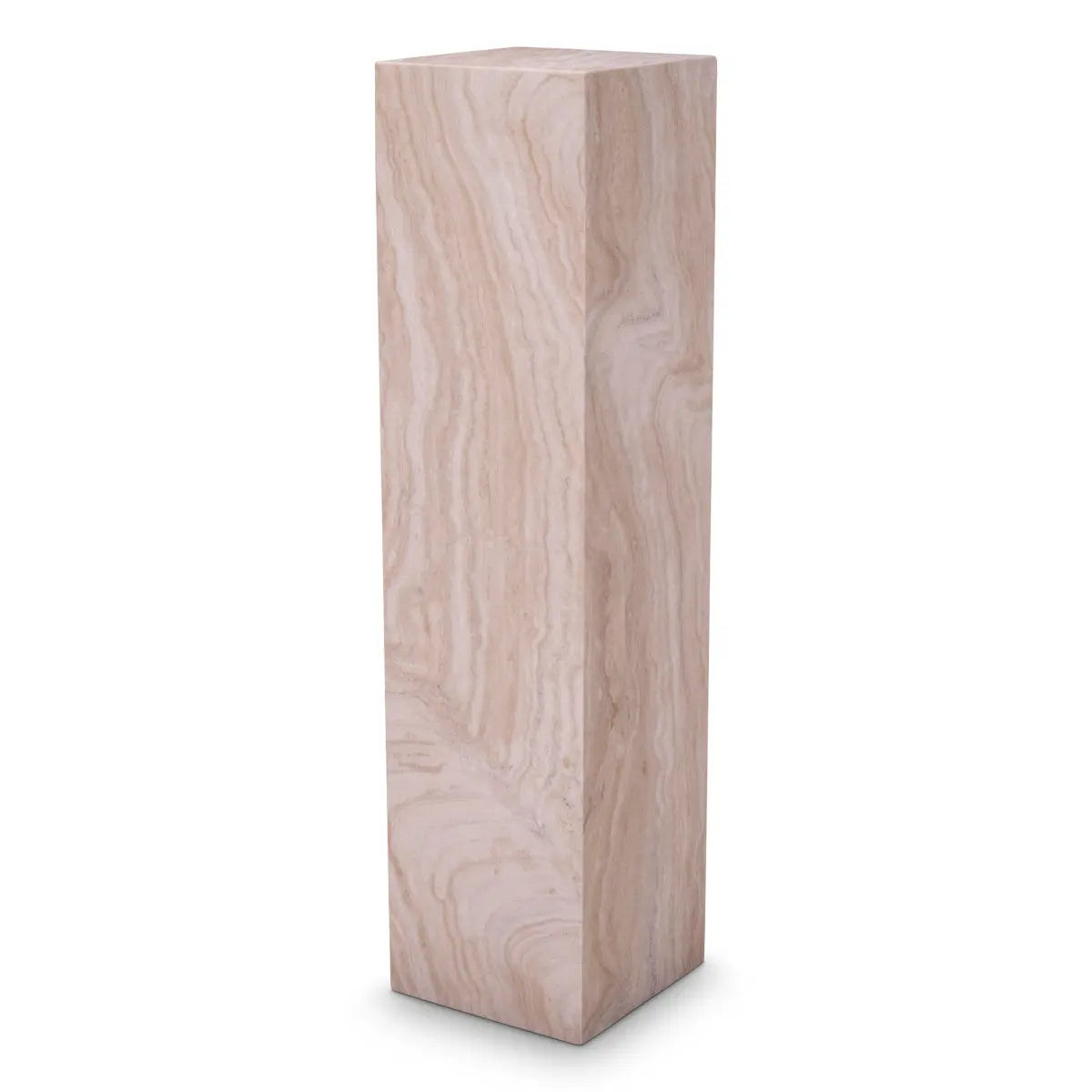
Columna Lucca L *EXPO
TM0047-EXPO
- Precio regular
-
€1.270,75 - Precio regular
-
€1.495,00 - Precio de venta
-
€1.270,75
Presentamos la «Columna Lucca» de Eichholtz, una pieza exquisita inspirada en la elegancia atemporal de las columnas expuestas en The Metropolitan Museum.
Disponible en tamaños mediano y grande, y con diversos acabados, esta columna está elaborada por expertos en travertino natural, con cada pieza presumiendo de su color y textura únicos. Con 30 cm de largo, 30 cm de ancho y 120 cm de altura, proporciona una plataforma elegante para exhibir sus objetos más preciados. Eleve su decoración con esta adición perfecta de la exclusiva colección The Met x Eichholtz.
PROCEDENCIA HISTÓRICA
La Columna Lucca está inspirada en un conjunto de seis columnas de mármol elaboradas en Granada, España, entre 1350 y 1400, y que ahora forman parte de la colección del Museo Metropolitano de Arte de Nueva York. Las columnas pertenecieron originalmente a la Alhambra, la famosa ciudad palaciega de Granada, cuyo nombre significa «la roja» por la arcilla roja utilizada en su construcción. Las columnas estrechas son características del estilo arquitectónico de la dinastía nazarí (1232-1492) y habrían adornado los patios al aire libre entre palacios. La Columna Lucca, elaborada en un travertino natural de tonos cálidos, se convierte en un pedestal de estilo museístico para la presentación de piezas.
Preguntas sobre el producto Contáctanos
-
Dese prisa, solo queda 1 artículo en stock!
Product Details
Información general:
Travertino
El travertino es un material natural; cada pieza difiere en color y textura.
Solo para uso en interiores/lugares secos
Collapsible row
L. 30 | An. 30 | Al. 120 cm
Care Instructions
How to care for Marble, Travertine & Onyx
Marble is limestone that has metamorphosed and combined with natural elements. It is veined with a variety of colors and patterns. Since marble is easily stained, etched, and dulled, it is important that you know how to take care of it.
Travertine is also a form of limestone. This sedimentary rock is typically formed in springs, rivers, and lakes. It often has a fibrous or concentric appearance and exists in white, tan, cream-coloured, and even rusty varieties.
There are a few basic rules for getting the most out of your marble furniture and ensuring its longevity:
- Be careful of wet rings forming on the surface after watering flowers or plants.
- Place coasters or trivets under glasses and dishes to prevent the formation of ring marks.
- Never expose marble or travertine furniture to sharp objects which can scratch the limestone.
- Never use vinegar, ammonia, bleach, lemon or orange to clean marble or travertine, as acids can cause these limestones to corrode.
Cleaning & Maintenance
Dust marble and travertine surfaces twice per week with a soft cloth. Both marble and travertine stain very quickly, especially if liquids are left untouched on the surface. When you drop something, clean it up right away. Waiting too long can turn a simple spill into a stain, which can be difficult and sometimes even impossible to get rid of. Immediately clean orange juice, coffee, wine, and other drinks (or food) with strong pigments, and rinse with a clean, damp cloth. Never leave water on marble or travertine surfaces as it can cause stains.
Clean as gently as possible, never using abrasive cleaners or dusting sprays. Wash marble and travertine periodically with a cloth dampened with lukewarm water, and if necessary, some mild dishwashing liquid. Only use soap solutions that are potent enough to wipe off the dirt but mild enough to keep the limestone unharmed. Gently run the cloth over the surface, making a circular motion in the spots that need a little extra pressure. Remove the soap with another damp cloth and wipe the limestone dry.
This product is available at our location in Marbella